


4 Products
-

 -36%14:366#10S 42T Group
SHIMANO Deore M4100 1x10-Speed MTB Groupset – Sunshine Cassette
-
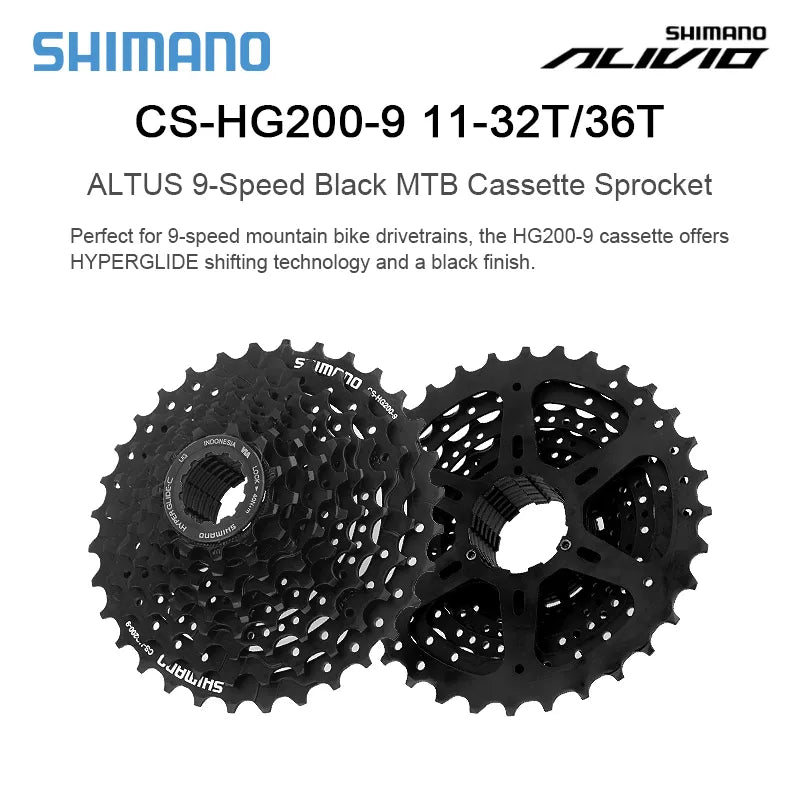
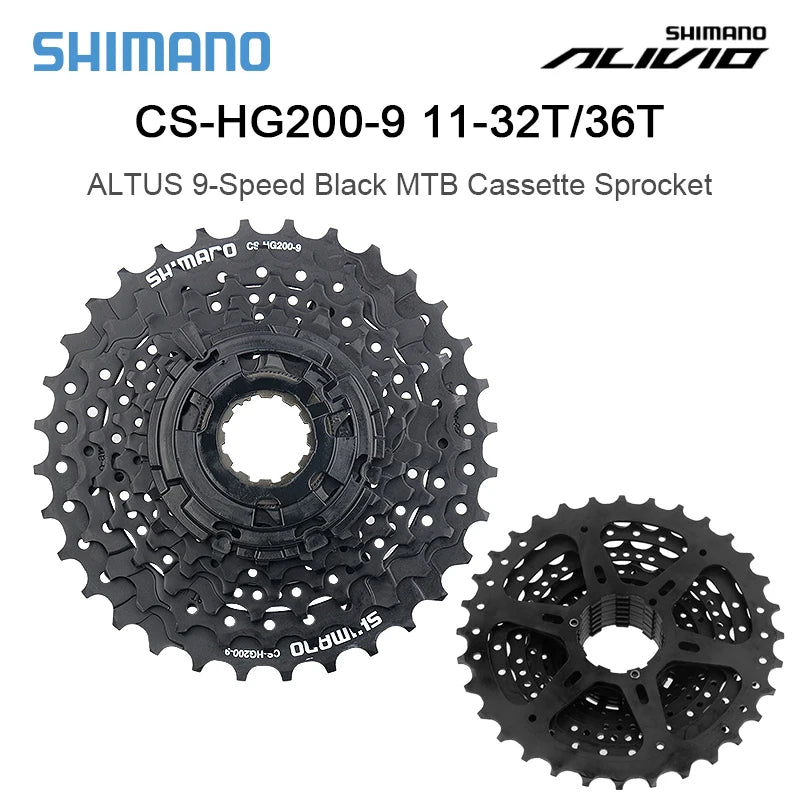 -51%14:366#HG200-9 11-36T
Shimano HG200 9 SP / 11-32T / 11-36T MTB Mountain Bike Cassette
-
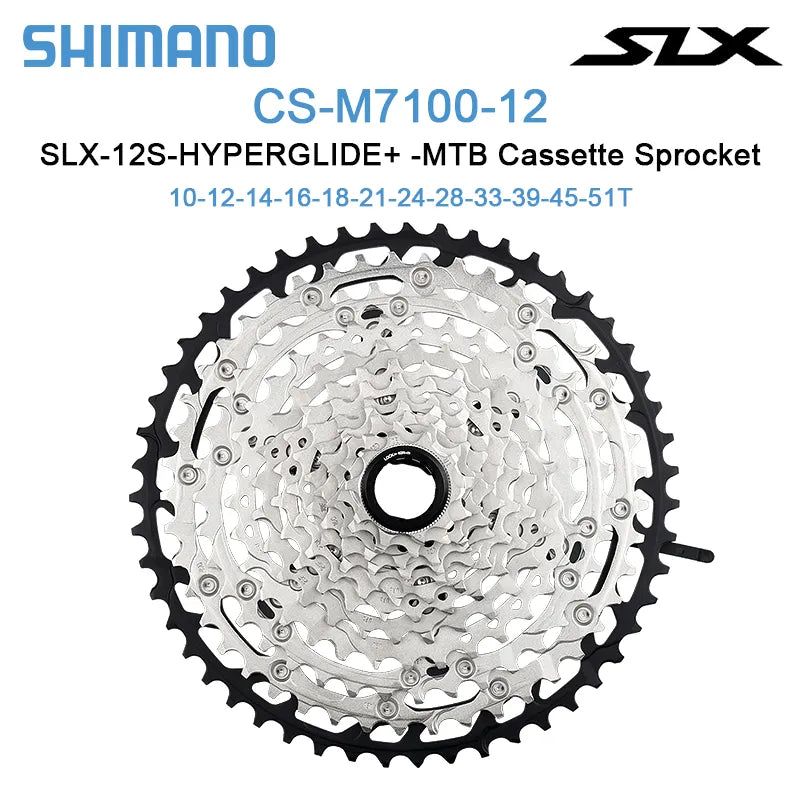
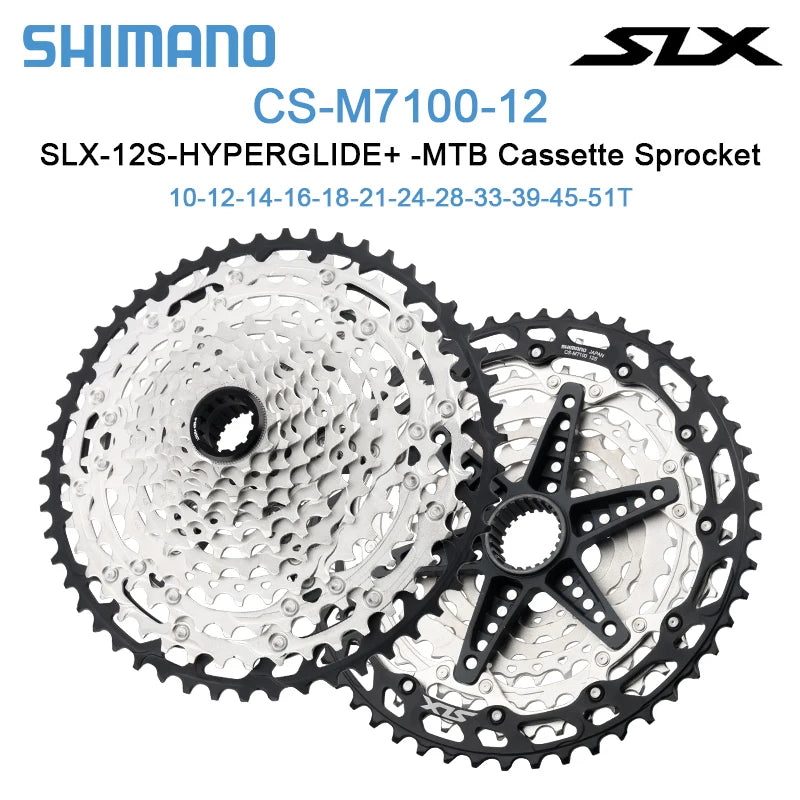 -43%14:366#M7100 10-51T
Shimano SLX - 12-Speed - MTB Cassette Sprocket
-
 -58%
-58%


Shop by Type


Shimano Groupsets Explained - Which Tier Fits Your Riding?
| Groupset Tier | Best For |
|---|---|
| Shimano Sora (3000 series) | 9-speed · Entry-level road & commuter. Highly reliable — perfect for new cyclists and casual riders. Most riders complete 5,000+ miles without issues. |
| Shimano Tiagra (4000 series) | 10-speed · Mid-range. Significant step up in shifting feel and durability. 90% of Ultegra performance at 60% of the price — the sweet spot for serious enthusiasts. |
| Shimano Ultegra (6000 series) | 11-speed · Professional-grade. Lightning-fast shifting, premium materials, long service intervals. Built for competitive cyclists logging 10,000+ miles annually. |
What to Look for When Buying Shimano Components

Groupset tier
Sora for beginners and commuters. Tiagra for serious enthusiasts wanting better performance without the Ultegra price. Ultegra for competitive cyclists who demand professional-grade shifting and durability.

Speed compatibility
9-speed (Sora), 10-speed (Tiagra), and 11-speed (Ultegra) components are not interchangeable. Match your new parts to the speed of your existing drivetrain to ensure clean shifting.

Component type
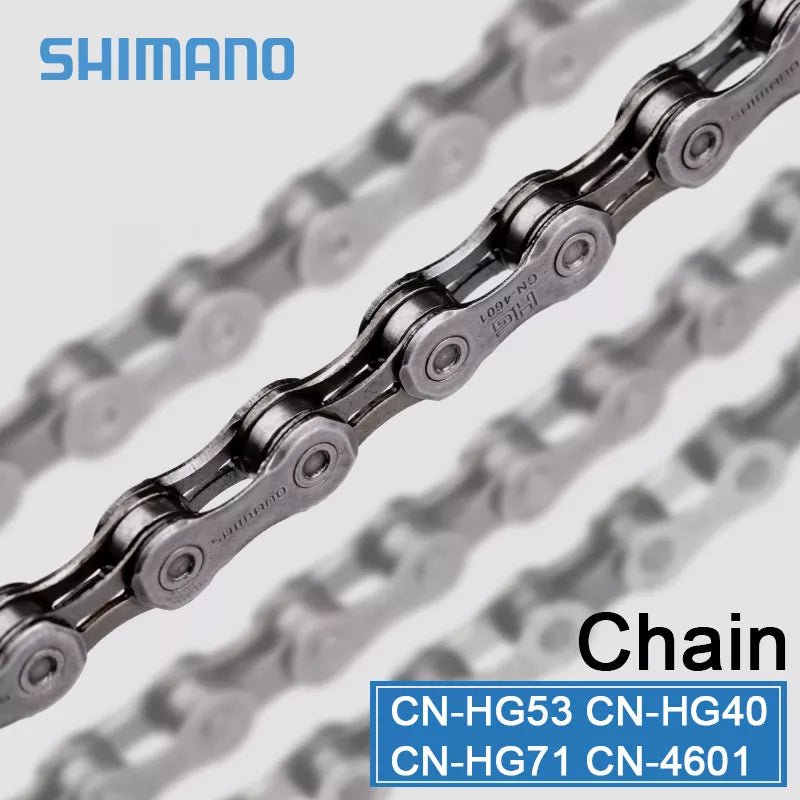
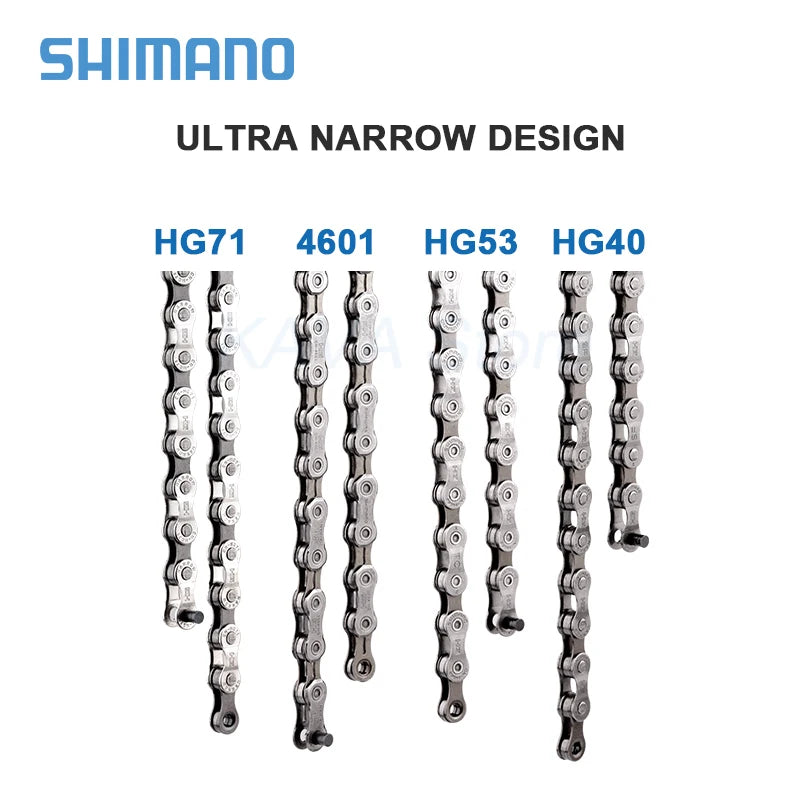
Replacing a worn cassette or chain is routine maintenance. Upgrading shifters and derailleurs together gives the best performance improvement. Full groupset swaps maximise compatibility and shifting feel.

Terrain
Road setups use narrow cassette ranges (11-28) for speed. Mountain and gravel builds need wide ranges (11-42 to 11-50) for climbing. Disc brake setups add all-weather stopping power for any discipline.
Typical Specs Across Our Shimano Range
| Spec | Detail |
|---|---|
| Component Type | Groupsets, derailleurs (front & rear), cassettes, chains, cranksets, brakes |
| Speed Range | 9-speed (Sora), 10-speed (Tiagra), 11-speed (Ultegra) — listed per component |
| Drivetrain Use | Road, mountain, gravel, hybrid, and commuter bikes — matched by tier and speed |
| Brakes | Shimano hydraulic disc — progressive modulation, all-weather performance, 140–180mm rotor options |
| Cassette Range | 11-28 (road/flat), 11-32 or 11-34 (hilly road), 11-42 to 11-50 (mountain/alpine) |
| Compatibility | Same-era, same-speed components recommended — see compatibility guides for mixed-tier setups |
| Maintenance | Chain lube every 100 miles (dry) / 50 miles (wet). Chain replacement every 2,000 miles. |